
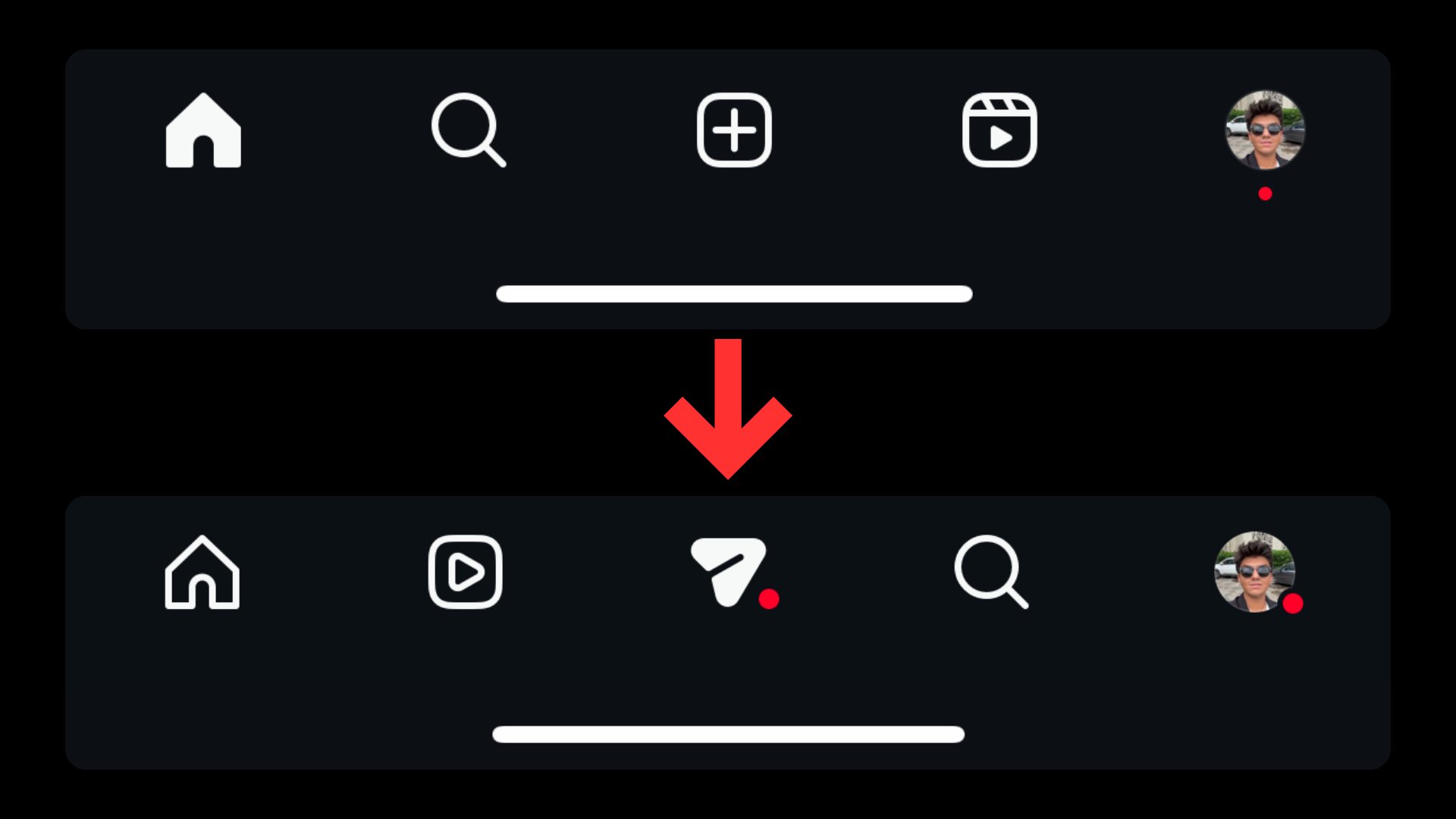
Were you also angry that Instagram “broke” your muscle memory again? We’ve all been there. You opened the app, your thumb went where it always goes, and suddenly you were in the wrong place. Create wasn’t centered anymore. Messages were. Reels were everywhere. It felt careless, almost disrespectful.
But what if the broken muscle memory is the point?
What if those accidental taps weren’t mistakes at all? They’re calculated. Behind every pixel on your screen is a Choice Architect, and their job isn’t exactly to make your life easier, it’s to make the app more profitable. Meta isn’t just redesigning screens; it’s quietly rewiring habits. They knew you’d hate the change, but they also knew your brain would eventually give in to the "New Normal." They didn't just redesign screens, they're quietly rewiring habits.
Reels wasn’t supposed to win
It worked on paper, but adoption was slow. Creators weren’t excited, and users weren’t convinced. For a while, Reels felt like a defensive product, not a growth engine.
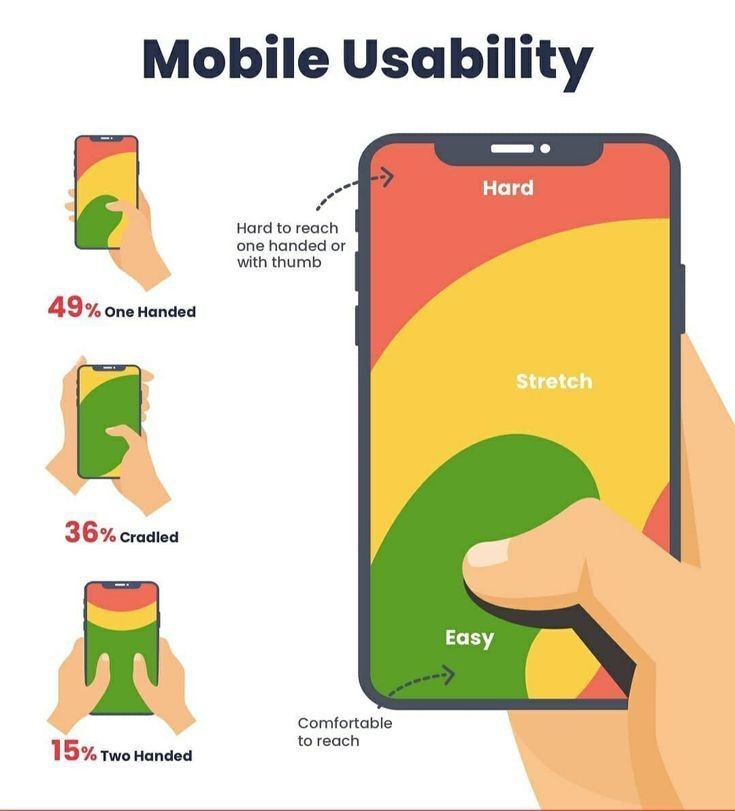
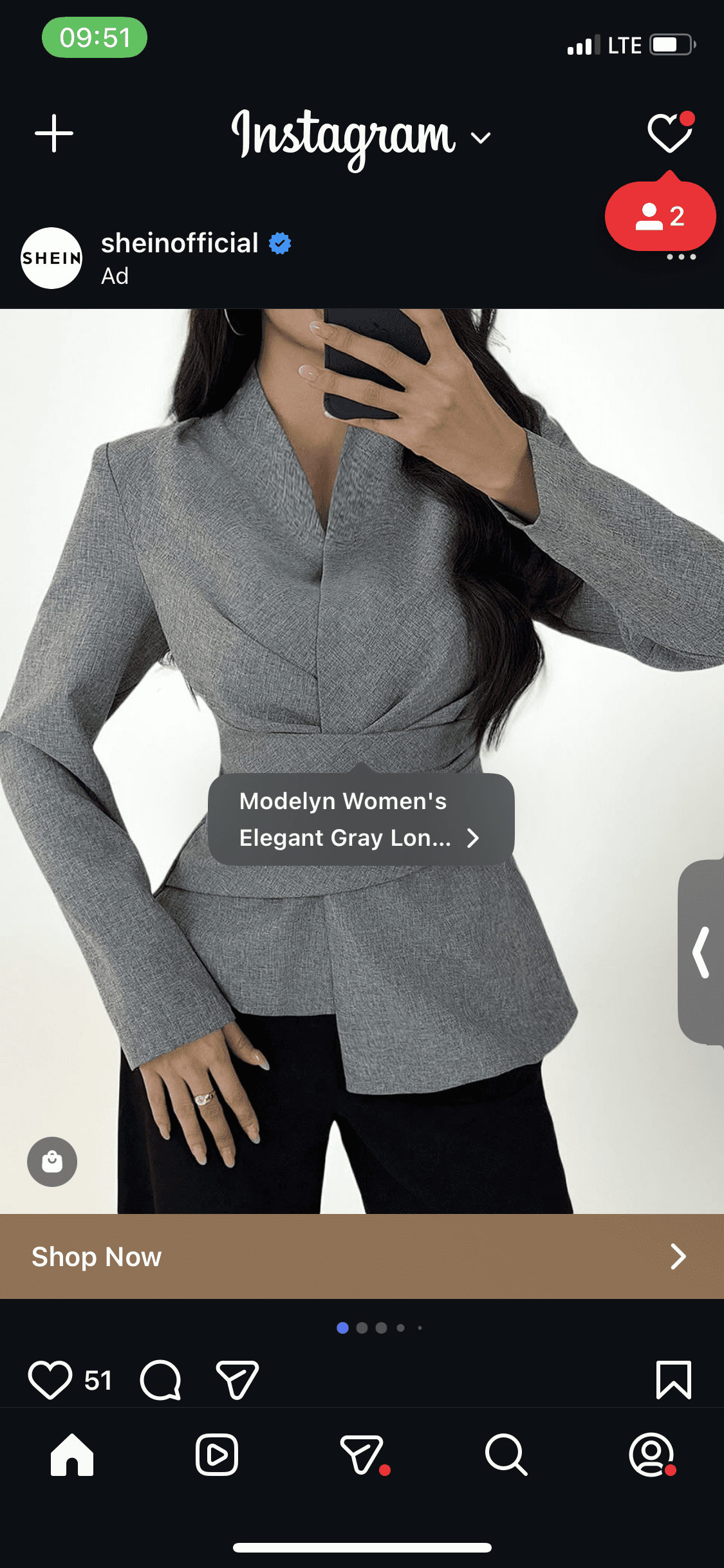
They moved the furniture. The disruption was intentional. Meta didn’t rely on the algorithm alone. They employed subtle yet effective product changes to boost Reels. They moved icons and swapped positions. "Create" was relegated to the top-left corner - the "graveyard" of the screen where your thumb almost never goes. They placed Reels exactly where your thumb already knew how to go.
Users started “accidentally” tapping into Reels, over and over again. Accidental clicks create exposure. Exposure creates familiarity. Familiarity creates habit. That isn’t negligence. It’s design. By late 2025, that "shaky" product crossed a $50 billion annual revenue run-rate.
Why Creation lost its throne
Meta realized a fundamental truth of human behavior: The 90-9-1 Rule. In any digital space, 90% are lurkers - they just consume, 9% engage, and 1% are active creators. Designing the most valuable screen space around the one percent doesn’t make sense if your business runs on attention. To hit their growth targets, Meta didn't need you to be a creator; they needed you to be a viewer.
Creating is high-effort. It’s a minority behavior that doesn't need to be front and center; power users will always find the "Create" button because they want to post. But consumption? Consumption is constant. So Meta stopped optimizing for creators and started optimizing for watchers. Reels are the future of growth, and they are aggressively driving you there, they need you there.
Messages replacing Create: The Return to Base
Prioritizing Reels wasn't the final step. "How do we stop people from leaving the app once they finish watching?" "How do we get people to watch more?"
Messages replaced Create at the center not exactly because to the platform, DMs matter more than posting (it's not black and white), but because private sharing is where conversations happen and content spreads - Sharing. Before, when the center button was "Create," it was a utility. Think of a utility like a hammer; you only pick it up when you have a specific nail to hit. If you didn't feel like making a post, you’d finish your scroll and simply exit the app. There was no reason to stay.
Now, the center button is "Messages." It is your "Return to Base." Instead of exiting, your thumb naturally pulls you into a conversation. It keeps you in a closed, circular loop:
Watch a Reel → Share it → Check the Reply → Watch another Reel. It's so crazy, you can watch other Reels when you swipe up on a Reel you sent or received. You aren't just using a tool anymore; you're switching between side-by-side tabs in an endless loop. Messaging is low-friction. It requires no "performance" and no judgment. By making the DM icon the default destination, Meta turned consumption into retention.
The Invisible Recommendation
This "Discovery-via-DM" system is a goldmine because it creates "Connected Reach." According to 2025 algorithm analysis, a single DM share is now worth more to a creator’s discovery than 100 likes, because it’s a "High-Intensity Signal”, it represents the highest form of user intent - in most cases, a personal recommendation within a trusted social circle.
Accepting the backlash
Humans are fundamentally lazy, activity simplification is what everyone wants. Increasing platform ability is not about constantly teaching/training people to do new things. You don’t routinely require users to learn new things. Meta easily gets away with this because the platform has switching high costs - you won’t leave.
The New Normal: Eventually, your muscle memory resets to the new layout.
Meta knew there would be backlash. But they also knew about Status Quo Bias. Humans hate change, but they hate losing their social network more. Meta knows that if they hold the line for, your brain will rewire itself. Your "Loss Aversion" keeps you from deleting the app, and eventually, the new layout becomes your new home.
Takeaway
Nudge vs. Sludge
Design isn't just about making things easy. Meta uses Sludge to add friction to "bad" behaviors (like exiting) while making "profitable" ones (consistently watching Reels) effortless.
From "Tools" to "Environments"
Instagram is no longer a utility you pick up for a task; it is an environment you inhabit. The goal is to eliminate the "Stopping Rule" so you never feel like you're "done."
Friends as the Algorithm
Meta realized that while the algorithm can suggest a video, friends validate. By centering DMs, aside boosting conversations on the platform, they also turned every user into a free distribution agent. The "Secret Sauce" of their $50 billion success isn't just better code; it’s leveraging the psychological pressure we feel to respond to and share with our peers.
Muscle Memory as an Asset
Your physical habits - where your thumb goes without you thinking - have a dollar value. Meta’s willingness to "break" your muscle memory and weather the short-term backlash shows that they view your subconscious habits as something they can (and will) rewire to align with their growth. They are betting that Loss Aversion (your fear of losing your digital community) is stronger than your frustration with a new button.
Meta didn't build a better video player; they built a better trap. They used “Sludge” -intentional friction - to shove you into high-revenue areas until your muscle memory forgot there was ever another way to be.
The Architect Wins
Next time you "accidentally" click that button and find yourself in your DMs or the Reels page, you aren't seeing intended frustration. It’s growth-aligned UX.
The architect planned it that way.
The Architect Wins
Next time you "accidentally" click that button and find yourself in your DMs or the Reels page, you aren't seeing intended frustration. It’s growth-aligned UX.
The architect planned it that way.